Falling for Freshness: Seasonal Must-Haves for Every Price Trend
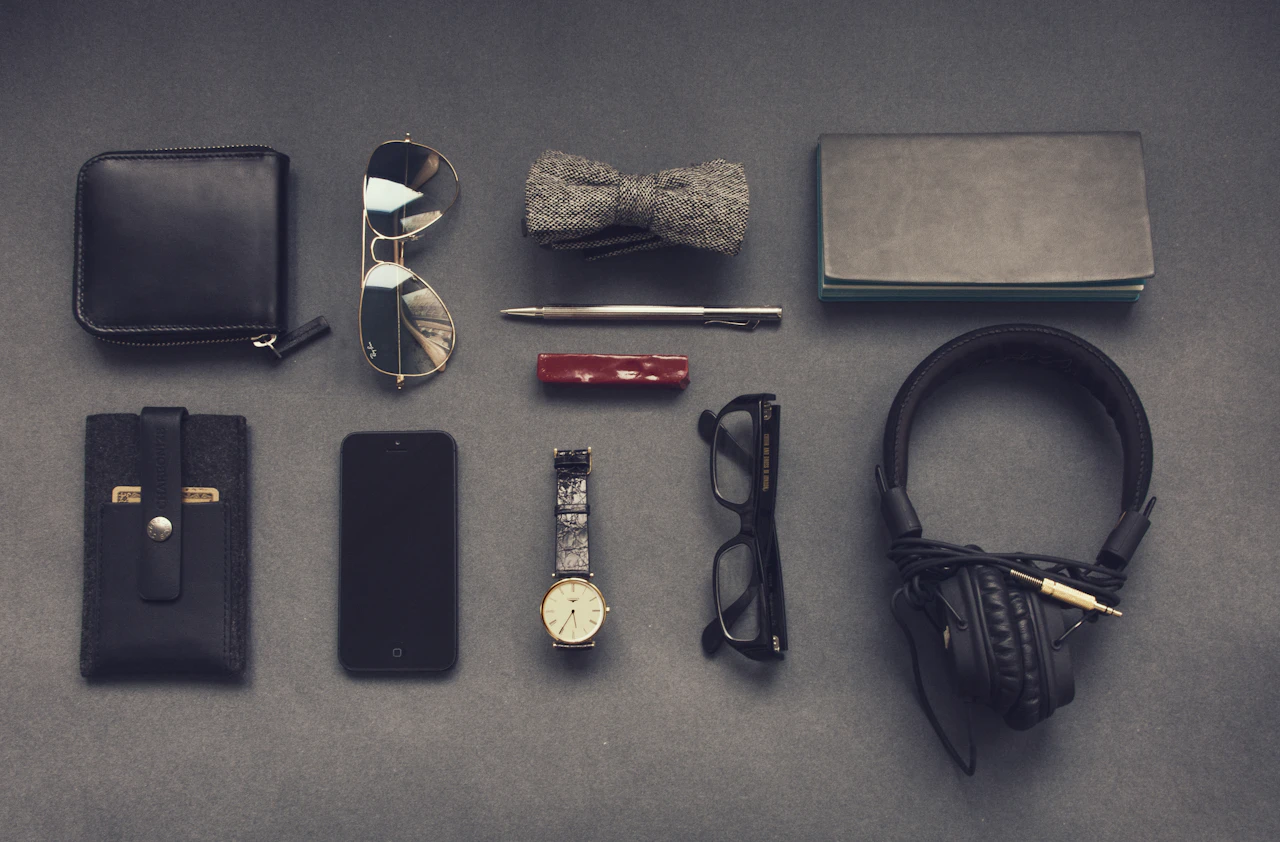
Curate a versatile collection of seasonal accessories that stays stylish and affordable no matter how commodities swing. This guide arms you with a practical buying calendar, material know-how, and a low-risk, high-style collection plan so your wardrobe looks like a million bucks without costing it.
Why Price Trends Matter to Your Accessories
Commodities drive cost — and style choices
Accessory prices aren’t just about brand markup: raw materials like cotton and metals, currency shifts, and retail strategy all move the needle. When cotton drops, casual caps and tees become better-value staples; when gold climbs, plated pieces and steel alternatives get more attention. Read how fluctuating raw-material costs affect apparel deals in our deep dive on cotton and consumer choices.
Market volatility and data-informed buying
Successful shoppers act like informed investors: they study reliable data, spot cycles, and buy when the math favors value. For a primer on coping with volatility across markets (a skill directly applicable to spotting accessory bargains), our coverage of using reliable data is a great read: Weathering Market Volatility.
Retail channels and the new rules of scarcity
Stockouts, store closures, and digital-first drops have changed how limited-edition accessories reach shoppers. Retailers experiment with pop-ups, liquidation events, and platform drops; learn how declining brick-and-mortar footprints reshape access in the piece about adapted retail strategies.
Build a Versatile Seasonal Core: A 3-Month Buying Calendar
Month 1 — Foundations: Neutral, durable, multipurpose
Start the season with high-utility pieces: a clean pair of sunglasses, a durable cap, a weighted chain, and a neutral scarf. These are where lower price-to-wear ratios matter — buy quality where it counts and economize on trendier accents. For seasonal inspiration anchored in timeless choices, explore our guide to seasonal refreshes inspired by classic games: Seasonal Wardrobe Refresh.
Month 2 — Statement Layering: Add one bold piece
Introduce a single attention-grabber — a signet ring, a statement beanie, or a patterned neck scarf. If metal and gemstone prices are elevated, prioritize plated or mixed-metal pieces and invest instead in craftsmanship. Our primer on jewelry trends for 2026 will help you pick current silhouettes that retain impact: A Beginner’s Guide to Jewelry Trends.
Month 3 — Seasonal Brighteners and Grooming
Round out with a scent and a small accessory swap: summer fragrances in hot months, heavier colognes in cool weather. For fragrance pairing ideas that perform in heat, see these summer-appropriate scent notes: Aussie Open Aromas. If you’re assembling a giftable bundle, the same logic applies: mix a higher-quality foundation piece with an affordable statement item to maximize perceived value.
Affordable Statement Jewelry: Look Expensive, Spend Less
Understand what gives jewelry perceived value
Perceived luxury is a combination of proportion, finish, and how a piece is styled. A bold curb chain with clean finishing looks luxe paired with a minimalist outfit. If gold spot prices climb, look at plating and hard-wearing alloys as substitutes; our comparative piece on value retention is a good read: Cotton vs. Gold.
Smart substitutes: alloys, plating, and small stones
Stainless steel, vermeil, and titanium are durable and often hypoallergenic. Cubic zirconia and small accent stones can mimic sparkle at a fraction of the cost — but only when the setting and polish are executed well. For insights into how to evaluate gemstone value beyond sparkle, read Beyond the Sparkle.
Where to find limited-edition looks without the markup
Liquidation events and last-minute drops are prime for snagging unique pieces. Learn how to spot and win these deals in the guide to last-minute fashion liquidation: Liquidation Lover. Combine these buys with a few curated core pieces to build an elevated look that stays affordable.
Accessory-By-Accessory Playbook: Hands, Neck, Eyes, and More
Sunglasses: Choose UV, shape, and longevity
Sunglasses are both functional and stylish — prioritize UV protection and lens quality before brand logo. Caring for lenses preserves resale value and look; our eyewear care guide explains UV protection and lens maintenance: UV Protection Beyond the Lens.
Chains and necklaces: weight, clasp, and proportion
Buy by eye and weight: a heavier link often reads more expensive. Look for solid clasps and clean soldering; avoid hollow chains when you can. Mix metals in a considered way to extend outfit pairing — a plated chain can still anchor your look when matched to the right hardware on jackets or watches.
Rings and bracelets: sizing and stack strategy
Stacking creates richness: combine a solid signet with a slimmer textured band and an affordable beaded bracelet. Get sizing right — rings that spin or bracelets that slide look cheap. For jewelry trend direction and how to combine pieces thoughtfully, refer to this jewelry trend guide: Jewelry Trends 2026.
Functional Accessories that Double as Style Statements
Safety and utility with style: e-bike and commuter gear
Functional accessories — a sleek commuter helmet, reflective straps, or a weatherproof pouch — can be styled to look intentional. For practical guides on accessorizing with safety gear, see Accessorizing for Safety.
Fragrance as an accessory: note selection and seasonality
Scent is the silent accessory. Choose fresher, citrus- and green-note fragrances in warm months and deeper woods or resinous notes in cold weather. For crafting a seasonally-appropriate scent profile, explore The Art of Natural Perfuming, and for hot-weather performance: Aussie Open Aromas.
Portable comfort tools as style moves
Small accessories like lined beanies, lightweight gloves, or a compact air cooler for travel can elevate comfort and perception. Choose compact solutions that fold into your daily carry without adding noise to an outfit; for guidance on small-space cooling as a practical accessory, see Choosing the Best Portable Air Cooler.
Material Masterclass: What to Buy When Prices Move
Cotton: buy the drop or stock basics
Cotton price moves change the economics of tees, beanies, and knit accessories. When raw-cotton prices dip, prioritize building your basics collection — it’s more cost-effective to stock staples during a drop. See the practical effects of cotton pricing on apparel deals here: Cotton and Consumer Choices.
Metals: gold, steel, and plating
Gold’s long-term value sometimes makes real-gold jewelry expensive; look to vermeil and stainless steel for day-to-day wear. For perspective on value retention between pluses and commodity types, check this comparative analysis: Cotton vs. Gold.
Gemstones and lab-grown options
Lab-grown stones can offer dramatic cost savings while maintaining visual impact — a clear advantage when natural stone prices are elevated. To learn how to evaluate gem value beyond mere sparkle, consult Beyond the Sparkle.
When to Buy: Timing, Drops, and the Art of Patience
Watch commodity signals and seasonal calendars
Seasonal markdowns and commodity-informed cycles matter. Buy basics when raw material costs fall; buy statement pieces at liquidation or end-of-season events. For tactical advice on spotting liquidation opportunities, read Liquidation Lover.
Use promotions and cross-category deals
Retailers bundle promotions across categories during low-demand windows — a strategy you can exploit for gifts and seasonal switches. Examples from other retail sectors show how bundles and promo codes deliver real savings: Paramount+ Bargain Hunters and getting more with promos Maximize Your Movie Nights.
Know the difference: fast fashion drops vs curated limited editions
Fast drops satisfy trend hunger cheaply but can date quickly. Curated limited editions — often more expensive — can be investments if they’re well-made and contextually rare. The shift in retail distribution channels can affect how quickly these items disappear; consider implications shared in the analysis of store closures and retail strategy: GameStop’s Retail Adaptation.
Care & Longevity: Make Affordable Accessories Last
Cleaning and storage basics
Proper cleaning and storage double the lifespan of plated metals and extend the look of gemstones and leather. Use soft cloths, avoid harsh chemicals on plated finishes, and store items separately to prevent scratches. For eyewear maintenance best practices, see UV Protection Beyond the Lens.
Seasonal maintenance checklist
Each season, refresh leather conditioners, reapply protective sprays, and test clasps and stones for looseness. Simple seasonal rituals — polish on rotation nights, restring bead bracelets annually — keep budget pieces looking curated and new.
When repair beats replacement
Often a small repair (re-solder a clasp, replate a chain) preserves a look at a lower cost than buying new. Build relationships with local jewelers for modest repair budgets; small investments amplify long-term affordability and sustainability.
Smart Gifting: Build Bundles that Read Premium
Pair higher-value basics with trend-led accents
A classic scarf or quality sunglasses paired with an affordable but on-trend chain or fragrance creates a luxe unboxing experience. Curated gift sets can borrow ideas from specialty gift bundles — for example, a food-lover’s bundle model shows how pairing a premium core with thoughtful add-ons increases perceived value: Gift Ideas for Olive Oil Lovers.
Leverage retailer tools for gift-season savings
Retailers increasingly use AI and strategic partnerships to tailor gift recommendations and predictive stock — a trend that can help buyers find on-budget options during peak seasons; read about the implications for gift buyers in our analysis of retail AI partnerships: Exploring Walmart’s Strategic AI Partnerships.
Packaging, personalization, and perceived value
Thoughtful packaging and a personalization note can lift an inexpensive piece into a cherished gift. Even small touches — branded tissue, a care card, simple engraving — signal intentionality and craft, increasing perceived value.
Accessory Comparison: Price, Versatility, and When to Buy
Reference table — five common accessory types compared across price range, best materials for value, versatility score (1–10), and recommended buy timing.
| Accessory | Typical Price Range | Best Value Materials | Versatility (1–10) | Best Time to Buy |
|---|---|---|---|---|
| Sunglasses | $30–$250 | Acetate, polarized lenses | 9 | End-of-season sales; lens tech drops |
| Chains / Necklaces | $25–$800+ | Stainless steel, vermeil | 8 | Liquidation & seasonal markdowns |
| Bracelets / Rings | $15–$600 | Titanium, plated sterling | 7 | Holiday bundles & specific drops |
| Fragrance | $20–$200 | Concentrated EDT/EDP blends | 6 | Summer for light scents, Winter for heavier notes |
| Functional Gear (helmet, commuter pouch) | $30–$300 | Polycarbonate, Cordura | 8 | Pre-season (riding season) or during safety campaigns |
Pro Tip: Prioritize versatility and careability. A well-maintained $60 accessory with a 5-year lifespan often beats a $300 trend piece that fades in one season.
Real-World Examples and Mini Case Studies
Case study: Building a fall capsule on a budget
A client wanted a bold autumn look with a $250 accessories budget. Strategy: $80 polarised sunglasses, a $50 vermeil chain, $40 beanie, and $30 leather conditioner. Timing: bought sunglasses at a retailer promo and the chain during an off-season liquidation. Outcome: four-season coordination and perceived upgrade across outfits.
Case study: Gift bundle that felt premium
One curated gift used a $120 core sunglasses buy plus a $25 fragrance sample and $15 branded cloth, packaged with a care note. The total spend ($160) looked much higher because of coherent presentation and a solid core piece. Inspiration for bundling strategies can be gleaned from curated gift approaches: Cotton and Caper Gifts.
Case study: When to wait — and when to strike
We tracked a jewelry drop: when metal futures rose, prices spiked; shoppers who waited for a restock and a promotion saved 30%. Use market signals and watch for retailer promo windows to maximize savings — retailers use data and strategic partnerships increasingly to target gift-buyers, so be ready: Retail AI Partnerships.
Action Plan: 10 Steps to a Fresh Seasonal Collection That Survives Price Swings
Step 1–3: Audit, prioritize, and research
List current accessories, remove duplicates, and prioritize three foundations you’ll wear 80% of the season. Research materials and track commodity signals; cotton dips and metal surges change where to invest. For context on data-driven buying, review methods used across volatile markets: Weathering Market Volatility.
Step 4–6: Time buys and watch for deals
Buy basics during raw-material dips and statement pieces during liquidation windows. Use promo codes and bundle tactics; examples of cross-category promos and how to leverage them appear in our coverage of promotional strategies: Paramount+ Bargain Hunters and voucher tactics Maximize Your Movie Nights.
Step 7–10: Maintain, rotate, and re-evaluate
Keep a seasonal ritual for care, rotate to preserve pieces, and re-evaluate each quarter. Repair over replace when it makes sense; small repairs can double perceived value.
FAQs
1. How can I get the look of gold without the cost?
Choose vermeil (gold-plated sterling) or heavy-gold plating over brass/stainless steel. Make sure the base metal is corrosion-resistant and the finish is well-applied; avoid very thin plating, which wears quickly. Look for reputable sellers who provide plating thickness or guarantees.
2. Are lab-grown gemstones worth it?
Lab-grown gems typically offer excellent sparkle at a lower price and are chemically identical to natural stones. If resale or collector value is less important than wear and appearance, they are an extremely cost-effective choice.
3. When is the best time to buy sunglasses?
End-of-season sales and retailer promo events often provide the best deals. Also watch for tech drops when new lens features are introduced; older models usually get discounted.
4. How do I make a small accessory feel premium as a gift?
Presentation and context matter: pair a solid core piece with a seasonal accent, use thoughtful packaging, and include a care or style note. Bundles that mix a higher-quality foundation with an affordable trend piece create perceived value.
5. How do commodity prices affect limited-edition drops?
When raw material prices rise, limited editions either become pricier or are produced in smaller quantities, which accelerates sell-outs. Conversely, when commodity prices dip, brands may flood the market with more accessible limited drops — smart shoppers can exploit these windows.
Related Reading
- Culinary Journeys - A travel-food deep dive for curious shoppers exploring regional style inspiration.
- Spotlight on Nutrition - How trend cycles in one industry can map to others — useful for shopper seasonality thinking.
- Fashion in Gaming - How digital trends influence physical accessory choices.
- James Beard Awards 2026 - Creative inspiration from top chefs on presentation and curated experiences.
- Exploring the Grand Canyon’s Secrets - Field-tested packing and gear advice useful for seasonal accessory planning.


