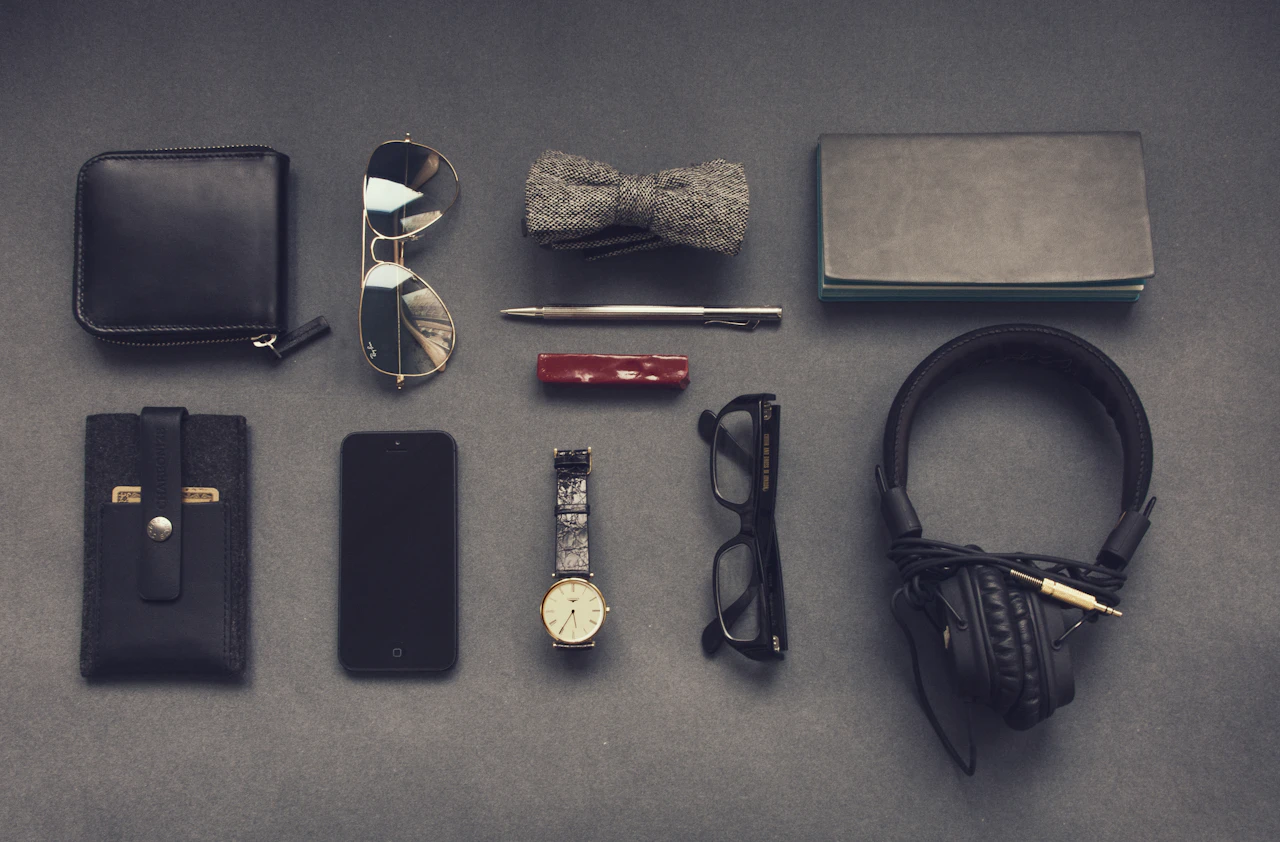
The right accessories can make luxury streetwear feel intentional rather than unfinished. This guide breaks down the best men's streetwear accessories across four core categories—bags, hats, sunglasses, and belts—so you can build a sharper rotation, avoid common buying mistakes, and know what to revisit as seasons, outfits, and trends shift. Instead of chasing short-lived hype, the focus here is on practical choices that consistently elevate premium streetwear, modern luxury fashion, and everyday casual looks.
Overview
If clothing builds the foundation of an outfit, accessories create the finish. In men's luxury streetwear, that finish matters more than many shoppers expect. A heavyweight hoodie, tailored cargo, or clean sneaker can already carry a look, but the accessories decide whether the outfit reads basic, athletic, fashion-forward, or polished.
For most wardrobes, the best men's streetwear accessories fall into four reliable groups: a bag that adds structure and utility, a hat that frames the outfit, sunglasses that sharpen the face and attitude of a look, and a belt that quietly brings proportion and cohesion. These are not random add-ons. They are practical tools that make streetwear clothing feel more elevated.
When choosing luxury streetwear accessories, it helps to use a simple filter:
- Versatility: Can it work with at least three outfits you already wear?
- Material quality: Does it feel durable enough to justify a premium position in your wardrobe?
- Visual balance: Does it complement oversized, relaxed, or tailored silhouettes without overpowering them?
- Comfort and function: Will you actually wear it regularly?
- Style consistency: Does it fit your personal lane—minimal, bold, sporty, regal, or understated luxury?
In premium streetwear, accessories are often where personal taste becomes most visible. Some men prefer quiet details: matte hardware, clean leather, tonal logos, or dark lenses. Others lean into statement fashion with bold frames, sculpted buckles, embroidered caps, or crossbody bags that become a focal point. Neither approach is better. The strongest choice is the one that works with your wardrobe rather than competing with it.
Here is how each category earns its place.
Bags: Among all streetwear accessories, bags often provide the biggest style return. A clean crossbody, compact messenger, tote, or structured backpack adds both function and silhouette. For streetwear bags men can use every day, shape matters as much as branding. Compact bags suit leaner or more refined outfits. Larger totes and backpacks work better with relaxed premium hoodies for men, overshirts, and fuller trousers. Look for durable zippers, strong straps, lined interiors, and materials that age well rather than crease immediately.
Hats: The best streetwear hats do two jobs at once: they complete the upper half of the outfit and soften transitions between casual and elevated pieces. Caps remain the easiest starting point because they work with hoodies, tees, bombers, and lightweight jackets. Beanies are strong in colder seasons and pair well with textured outerwear. Structured hats generally look sharper with cleaner luxury casualwear, while washed or softer hats suit more relaxed modern street style for men.
Sunglasses: Sunglasses are one of the most efficient ways to make an outfit look deliberate. In designer streetwear style, frames should match both face shape and outfit energy. Sleek rectangular frames often suit minimalist elevated streetwear. Larger or sculptural shapes pair well with bolder silhouettes and statement accessories. Lens tint, frame finish, and width all affect the result. A premium pair should feel balanced on the face and align with the rest of your accessories, especially jewelry and hardware tones.
Belts: Belts are underrated in streetwear because some outfits hide them under longer tops. But when visible, a belt can clean up proportions and add a subtle focal point. In men's luxury streetwear, belts work best when they echo another element in the look—shoe trim, watch hardware, bag details, or jewelry finish. The most wearable options are often simple: quality leather or textured materials, neat stitching, and a buckle with presence but not excess.
A useful way to think about mens fashion accessories is by role:
- Functional pieces: bag, belt, sunglasses for travel or daily use
- Framing pieces: hats and sunglasses that affect the top half of the outfit
- Statement pieces: accessories that intentionally draw attention
- Bridging pieces: details that connect casual items to more premium apparel
If you are still refining your wardrobe, start with one accessory from each of the four categories in a restrained palette: black, brown, tonal grey, dark olive, navy, or cream depending on your clothing base. That approach gives you enough flexibility to build luxury streetwear outfits without buying too many pieces too quickly. For readers building that larger foundation, How to Build a Men's Streetwear Capsule Wardrobe with Premium Basics is a useful companion.
Maintenance cycle
A good accessories roundup should not stay static. Streetwear moves through seasonal materials, changing proportions, and evolving preferences around logos, hardware, and shape. The smartest approach is to maintain your accessory rotation on a simple review cycle rather than waiting until everything feels outdated at once.
A practical maintenance cycle looks like this:
Monthly quick check
Use a short monthly review to ask whether your most-used accessories are still serving your wardrobe. This is less about trend-chasing and more about wear patterns. Which bag are you always reaching for? Which hat never leaves the shelf? Are your sunglasses still working with the cuts and colors you wear most? A quick review helps you identify gaps before you buy another random piece.
During this check, evaluate:
- What you wore most often
- What felt uncomfortable or impractical
- What looked dated compared with your current wardrobe direction
- Whether your accessories still suit the season
Seasonal rotation review
Each season changes what feels useful. Warm-weather premium streetwear often favors lighter bags, cleaner hats, slimmer sunglasses, and belts that work with shorts, relaxed trousers, and lighter fabrics. Cooler months invite more texture: wool caps, darker lenses, heavier leather, and bags that pair naturally with jackets and layering.
At the start of each season, review your accessories by fabric, color, and scale. A bag that works with summer tees may feel too light against winter outerwear. A hat with distressed details might fit casual spring looks but clash with a cleaner cold-weather coat. The point is not to replace everything, but to adjust emphasis.
Twice-yearly quality audit
Luxury streetwear accessories should hold up well if chosen carefully, but they still need inspection. Twice a year, check for cracked trims, stretched straps, loose stitching, scratched lenses, bent frames, worn buckles, faded embroidery, or peeling finishes. Some wear improves character; some simply lowers the quality impression of your whole outfit.
Ask these questions:
- Does the piece still look premium at arm's length and up close?
- Is the hardware intact and consistent?
- Has the material broken in attractively or just worn down?
- Would you still buy this piece today for the wardrobe you have now?
Annual style alignment reset
Once a year, step back and look at your accessory collection as a whole. This is where many shoppers notice duplication. Maybe you own several similar caps but no refined belt. Maybe you have too many statement sunglasses and no understated everyday pair. Or maybe your bags all lean sporty while your clothing has moved toward regal streetwear and cleaner luxury casualwear.
The annual reset helps you keep the lineup coherent. You do not need a large collection. You need a useful one.
A balanced accessory rotation for many men might include:
- One everyday crossbody or compact bag
- One larger tote or backpack
- One clean cap and one seasonal knit hat or alternate style
- One understated pair of sunglasses and one stronger statement pair
- One versatile belt in a neutral tone and one optional dressier or bolder belt
This cycle also works well if you follow curated streetwear drops. New releases can be exciting, but accessories are easiest to overspend on when they are treated like impulse buys. A maintenance rhythm helps separate genuine wardrobe upgrades from short-term novelty.
For outfit coordination beyond accessories, readers may also find Luxury Streetwear Outfit Ideas for Men: Seasonal Looks That Always Work and How to Style Oversized Streetwear Without Looking Sloppy helpful.
Signals that require updates
Some changes should trigger an immediate review of your accessory lineup, even if you are not at a scheduled checkpoint. These signals usually come from one of four places: your wardrobe, your lifestyle, the condition of the items, or a shift in search and shopping behavior.
1. Your clothing silhouettes have changed
If you move from slim fits into more relaxed or oversized streetwear, your old accessories may stop feeling proportionate. Small hats, tiny bags, or delicate belts can look visually lost against broader shapes. The same is true in reverse: if your wardrobe becomes cleaner and more tailored, bulky accessories can make the outfit feel heavy.
Accessories should support the silhouette. Scale is not a minor detail in elevated streetwear—it is one of the details that makes an outfit feel expensive.
2. You want your outfits to look more polished
Many shoppers start in casual streetwear and later want a more refined, premium apparel feel. That transition usually starts with accessories before it reaches larger wardrobe changes. Replacing a loud bag with a cleaner structured option, switching from distressed caps to neater finishes, or choosing a more balanced sunglass frame can shift the whole look.
If your goal is to appear more composed without abandoning streetwear, update accessories first.
3. Wear and tear is becoming visible
High quality streetwear still needs maintenance. Once an accessory starts looking tired, it can pull down otherwise strong outfits. Common warning signs include cloudy sunglass lenses, fraying hat brims, stretched straps, damaged edge paint, warped belt holes, and metal hardware that has lost finish unevenly.
Visible wear is not always a style problem. In some looks, patina adds character. But once deterioration reads as neglect rather than use, it is time for a replacement or repair.
4. You keep buying around the same gap
If you frequently feel like your outfits are missing something, that usually points to a category gap. For example, maybe your wardrobe has premium hoodies, tees, and outerwear but lacks a bag that feels equally elevated. Or perhaps your outfits are solid but feel top-heavy because you have hats and sunglasses without a strong belt or jewelry balance.
Repeated friction is a signal. Do not ignore it.
5. Search intent and style language have shifted
This article is designed as a rolling roundup, which means it should stay relevant as reader intent evolves. If shoppers increasingly care about quieter luxury, technical utility, travel-friendly designs, premium fabrics clothing, or gifting, the framing around the best streetwear accessories should adapt. The core categories may remain stable, but the advice should shift with how people actually shop and style them.
That is especially useful for content updates on thekings.shop. If a category begins attracting readers looking for gifting ideas, outfit pairing help, or quality-comparison guidance, the article should reflect that.
Common issues
Even strong accessories can disappoint if they are chosen without context. Below are the most common issues shoppers run into when building a luxury streetwear accessories lineup, along with practical ways to avoid them.
Buying statement pieces before basics
A bold piece can be exciting, but if your everyday rotation is still missing the essentials, statement purchases often sit unused. Start with a dependable bag, a versatile hat, one balanced sunglass frame, and a belt that works across multiple outfits. Once those are covered, statement accessories become easier to wear well.
Ignoring proportion
Streetwear depends heavily on proportion. Accessories should fit the shape of the outfit, not just the trend. A narrow belt can disappear under a broad, layered look. A micro bag may feel out of place with relaxed cargos and a boxy hoodie. Oversized sunglasses can overpower a minimal outfit if the rest of the styling is too quiet.
When in doubt, photograph the full look in a mirror. Proportion problems show up quickly in pictures.
Choosing logos over construction
Branding can be part of designer streetwear style, but construction matters more over time. A well-made accessory in premium materials will usually outlast a trend-heavy item with weak stitching, poor hardware, or uncomfortable fit. This is especially important for bags and belts, where durability affects daily use.
For shoppers also comparing apparel quality, Men's Luxury Hoodies Guide: Best Fits, Fabrics, and Features to Compare and Men's Luxury Streetwear Size Guide: Hoodies, Tees, Joggers, and Jackets can help you align accessories with better garment choices.
Overmatching everything
A coordinated look is good. A rigidly matched one can feel forced. Your bag does not need to mirror your belt exactly, and your hat does not need to repeat every tone in the outfit. The better goal is harmony. Repeating one material, one hardware finish, or one accent color is often enough.
Underestimating comfort
An accessory can look excellent and still fail if it is uncomfortable. Hats that sit too high, sunglasses that pinch, belts that dig in, and bags with awkward straps do not become good purchases just because they photograph well. Comfort affects frequency of wear, and frequency of wear determines real value.
Forgetting the finishing layer
Accessories work best when they relate to each other. If you wear rings, chains, or bracelets, think about how those pieces interact with your sunglasses, bag hardware, and belt buckle. For a deeper look at that category, see Streetwear Jewelry for Men: Chains, Rings, and Bracelets That Elevate a Look.
When to revisit
Return to this topic whenever your outfits feel solid but incomplete. That is often the clearest sign that accessories—not clothing—are the missing layer. A revisit is also worthwhile at the start of a new season, before a trip, when preparing gift ideas, or after you make a meaningful shift in personal style.
Use this practical review checklist:
- Choose your most-worn three outfits. Lay them out or photograph them.
- Add your current bag, hat, sunglasses, and belt options. See what actually works.
- Identify the weak point. Is the outfit missing structure, contrast, polish, or function?
- Replace one category first. Usually the biggest improvement comes from the bag or sunglasses.
- Keep one quiet option in every category. Not every accessory needs to be a statement.
- Recheck after 30 days. If the new piece is not in regular rotation, it may not fit your wardrobe as well as expected.
If you shop limited drop clothing or trend-led pieces, revisit more often. Accessories can either stabilize a changing wardrobe or make it feel scattered. The best ones give your outfits continuity across seasons, releases, and styling phases.
For most readers, the goal is not to own the most accessories. It is to own the right ones: pieces with enough quality, function, and presence to support a confident wardrobe. That is what makes luxury streetwear accessories worth investing in and worth revisiting. As your clothing evolves, the categories remain the same, but your ideal picks may change. Keep the framework, refresh the details, and your accessory rotation will continue to work harder than the item count suggests.


